
 +86-13926505109
 info@aiotomni.com
How IoT GPS Tracker Communicate with Smart Two-Wheelers?
In this article, you'll learn why protocol integration is essential, how IoT GPS tracker communicate with vehicle ECUs, and which communication protocols are commonly used in smart two-wheelers.
Many people believe that installing an IoT GPS tracker or an IoT-based smart lock is all it takes to make an e-bike or e-moped"smart."In reality,that's only part of the solution.
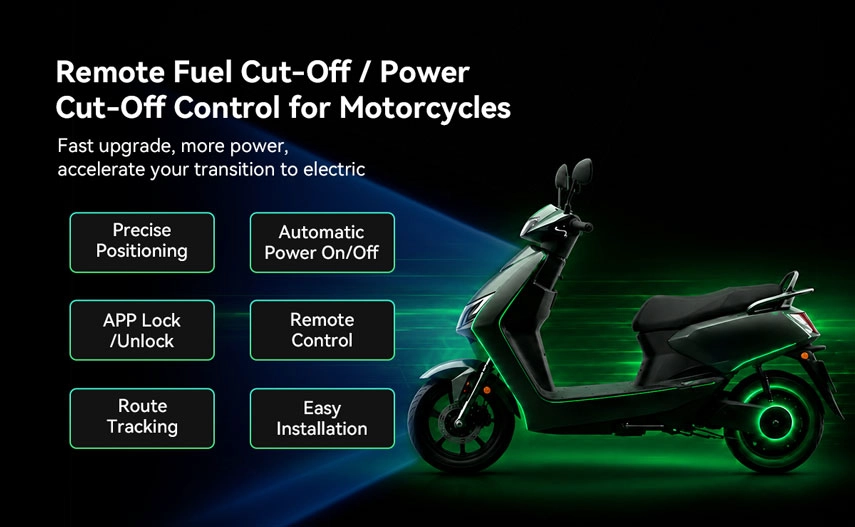
An IoT GPS tracker cannot automatically read vehicle data or control vehicle functions.Before intelligent features can be enabled,it must communicate with the vehicle's Electronic Control Unit(ECU)through communication protocols such as CAN Bus,CAN FD,UART,RS232,RS485,or other OEM-specific interfaces.
Only after protocol integration is completed can functions such as real-time monitoring,remote control,anti-theft protection,OTA updates,and fleet management be realized.
What Does an IoT GPS Tracker Actually Do?
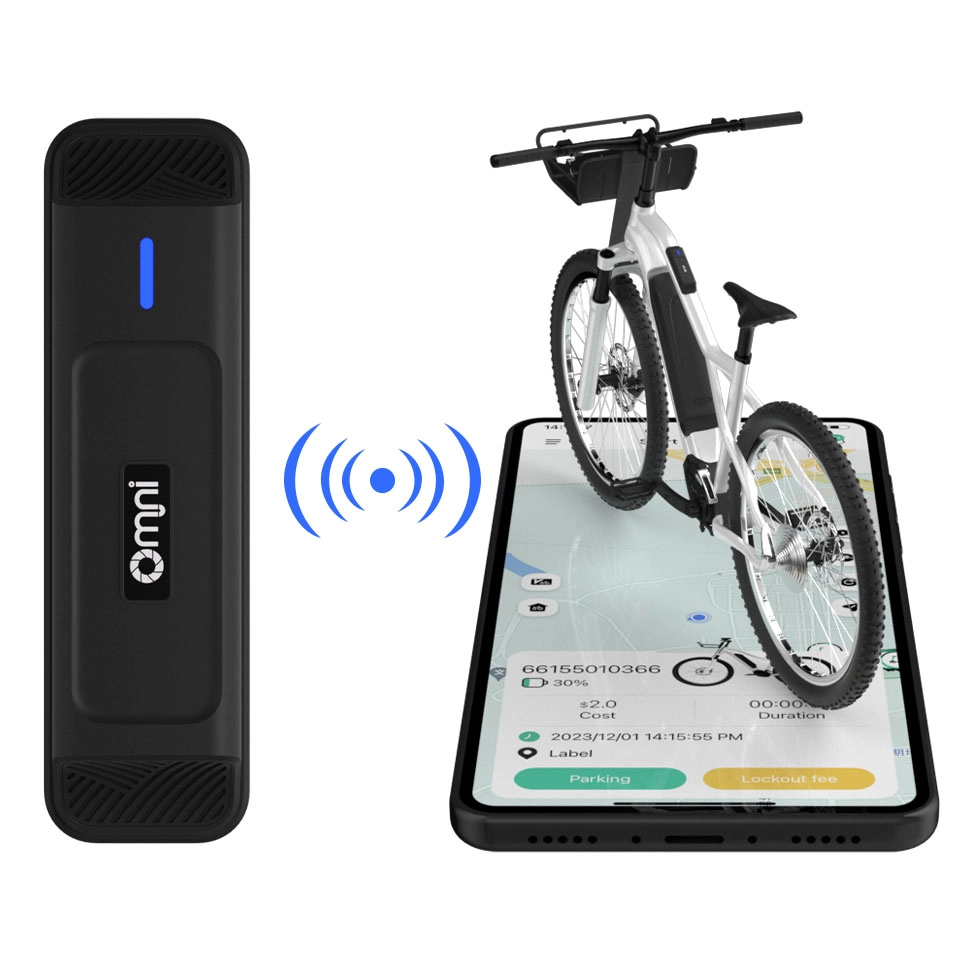
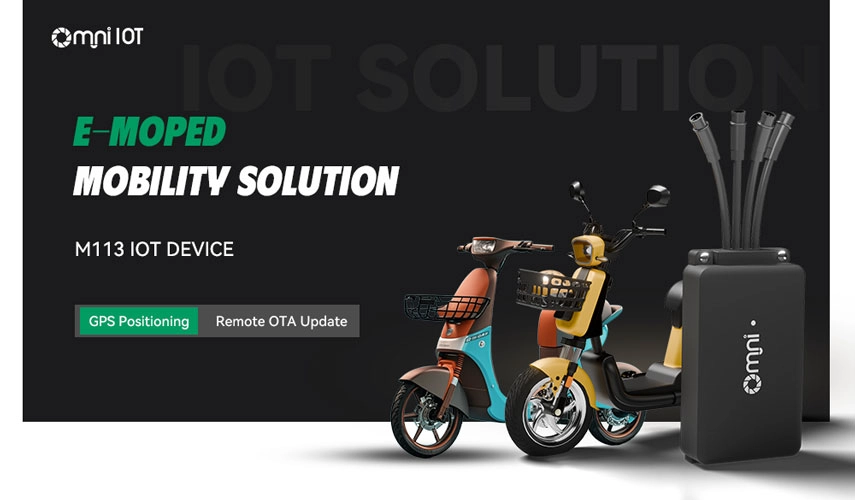
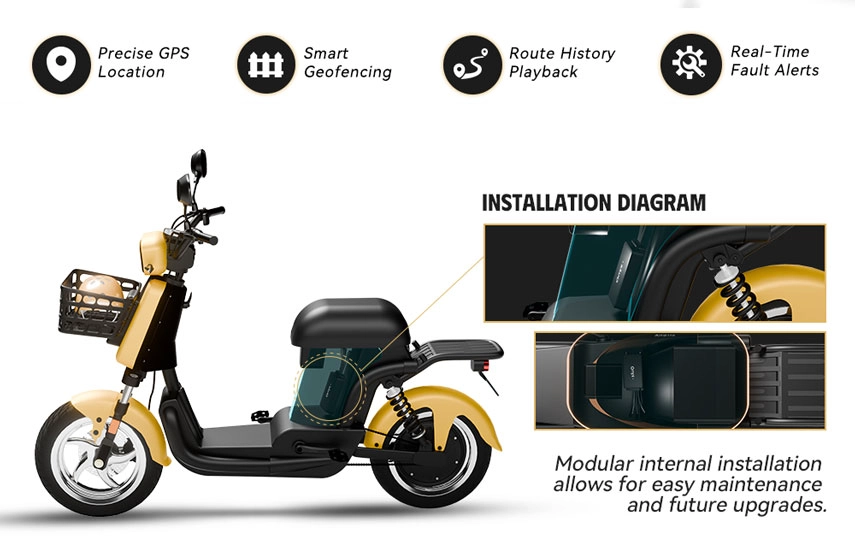
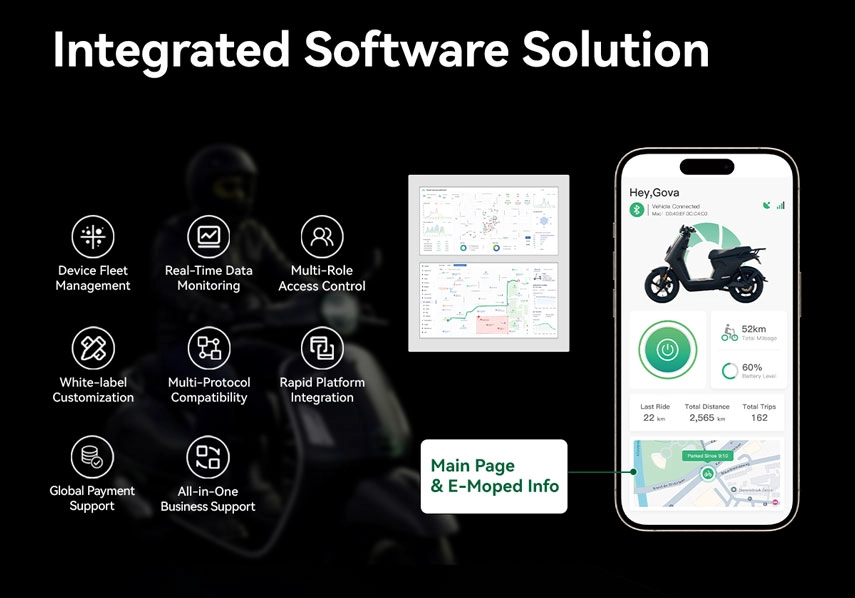
An IoT GPS tracker acts as the communication bridge between the vehicle and the cloud.In many smart mobility applications,it functions as a Telematics Control Unit(TCU),enabling:
4G/5G cellular communication
GPS positioning
Bluetooth connectivity
Cloud platform communication
OTA firmware updates
Secure data encryption
However,one important fact is often overlooked:
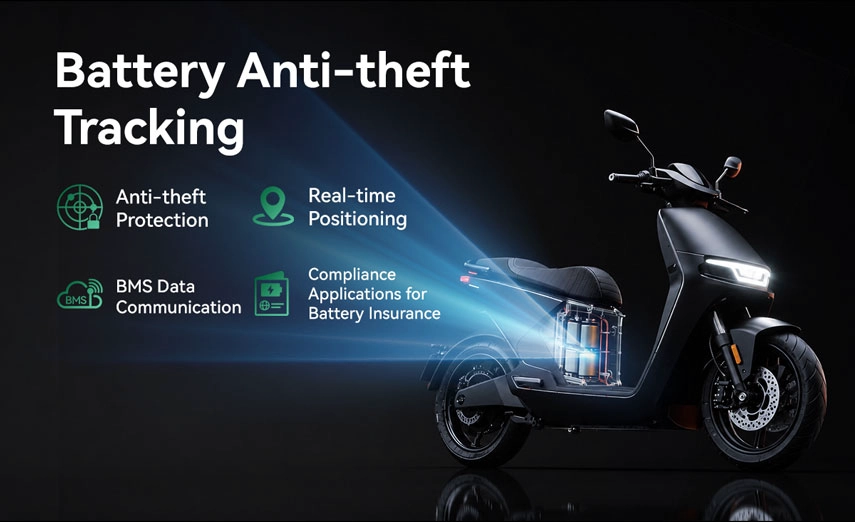
Vehicle data is not stored inside the IoT GPS tracker.
Instead,it is collected and managed by the vehicle's Electronic Control Unit(ECU).
What Information Does the ECU Manage?
The ECU controls and stores information such as:
Battery State of Charge(SOC)
Battery voltage
Vehicle speed
Mileage
Motor status
Diagnostic Trouble Codes(DTCs)
Ignition status(ACC)
Controller temperature
Without communicating with the ECU,the IoT GPS tracker cannot access these signals.
How Does Vehicle Protocol Integration Work?
Think of the ECU and the IoT GPS tracker as two systems speaking different languages.
The ECU communicates using vehicle communication protocols.
The IoT GPS tracker communicates with cloud platforms over Internet protocols.
Vehicle protocol integration serves as the translator between them.
For example,the ECU may transmit:
0x18FF50E5
Without the OEM protocol definition,this is simply a hexadecimal value.
How Is CAN Bus Data Decoded?
A DBC file or proprietary protocol may define the message as:
Byte0~1=Vehicle Speed
Byte2=Battery SOC
Byte3=Gear Position
Byte4~5=Battery Voltage
After decoding:
Vehicle Speed:35 km/h
Battery:82%
Voltage:72.5V
This process is called Protocol Parsing or Signal Decoding.
According to AWS IoT FleetWise,raw CAN Bus messages must be decoded before they become readable vehicle signals.
Common Vehicle Communication Protocols
Protocol Application
CAN Bus Standard communication network for most electric vehicles
CAN FD Higher-speed version of CAN Bus
UART Motor controllers and embedded devices
RS232/RS485 Battery Management Systems(BMS)and controllers
LIN Bus Low-speed electronic modules
OEM Private Protocol Manufacturer-specific communication protocols
Although many manufacturers use CAN Bus,each OEM defines its own message IDs and signal mappings.Therefore,every motor platform requires protocol adaptation before vehicle data can be read correctly.
Why Choosing an Experienced IoT Partner Matters
Protocol integration is one of the most time-consuming parts of a smart mobility project.
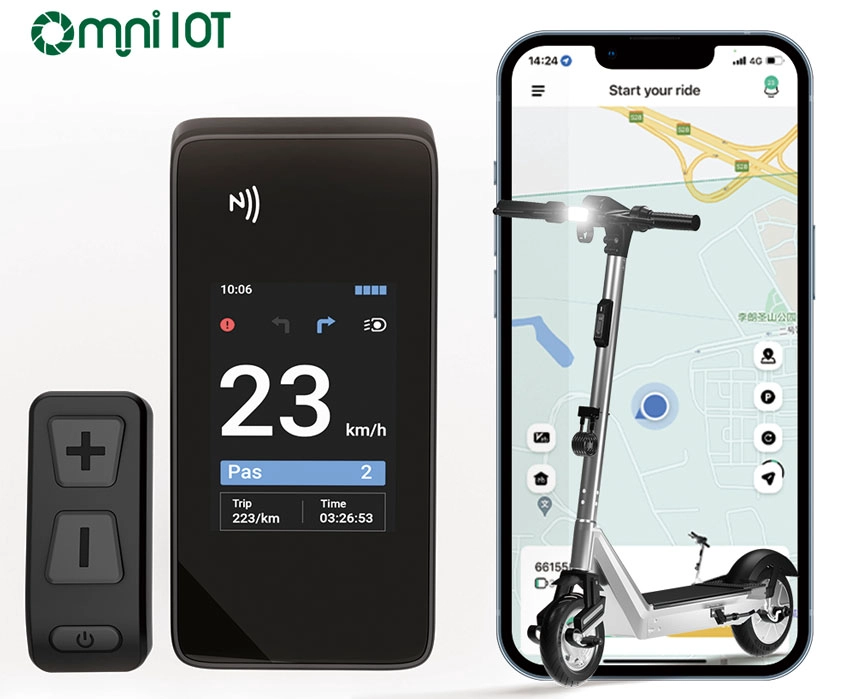
An experienced IoT solution provider that already supports major motor brands and vehicle communication protocols can significantly reduce development time,lower integration risks,and accelerate product deployment.
Instead of reverse-engineering communication protocols,your engineering team can focus on developing innovative products and delivering a better user experience.
Conclusion
Installing an IoT GPS tracker alone does not make a vehicle intelligent.True smart mobility depends on seamless communication between the IoT GPS tracker,the ECU,and the vehicle's electronic systems.
Understanding vehicle protocol integration before starting your project will help reduce development costs,shorten time to market,and build a more reliable smart two-wheeler solution.
References
Amazon Web Services(AWS).AWS IoT FleetWise Developer Guide.
Amazon Web Services(AWS).AWS IoT FleetWise API Reference.
ISO 15765-2:Road Vehicles—Diagnostic Communication over Controller Area Network(DoCAN/ISO-TP).
About the Author
Bella Getty
Urban Mobility&IoT Analyst
Bella specializes in smart mobility,connected vehicles,and IoT technologies.She focuses on how connected solutions help e-bike,e-moped,and fleet operators improve efficiency,security,and user experience.