
 +86-13926505109
 info@aiotomni.com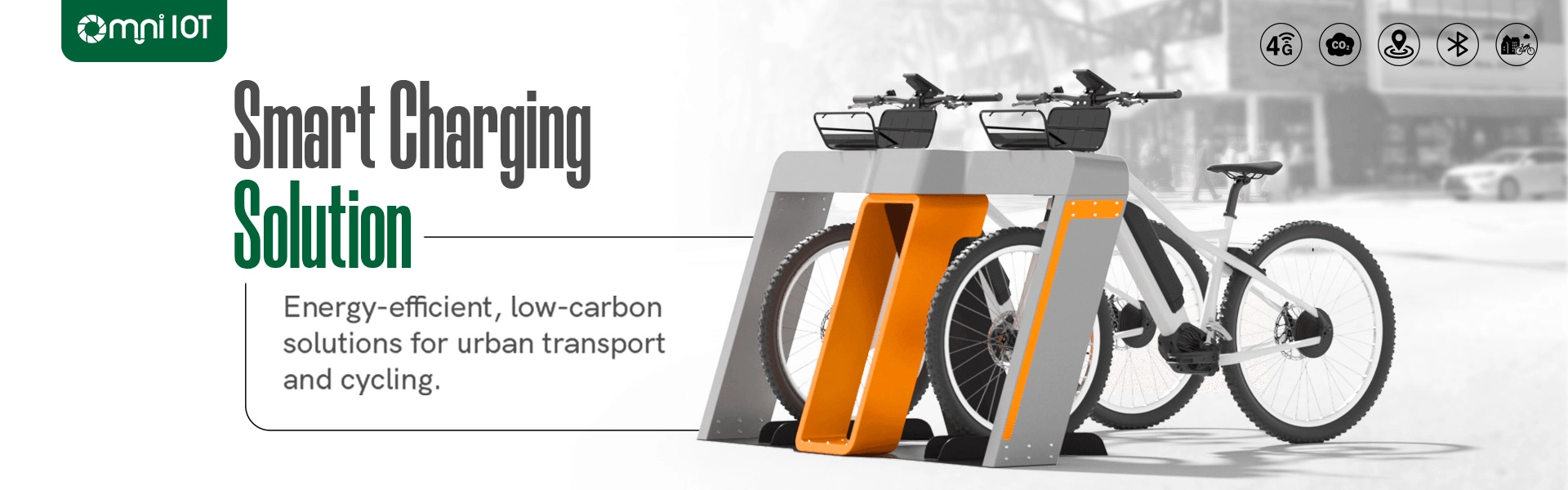



How IoT Functions Solve Real-World Challenges in Smart Urban Mobility?
How IoT Functions Solves Real-World Challenges in Smart Urban Mobility
The rapid growth of e-bikes,e-mopeds,scooter sharing,and electric vehicle fleets is transforming urban transportation worldwide.While these new mobility models promise cleaner,smarter,and more efficient transportation,operators and manufacturers quickly discover that scaling a mobility business involves far more than simply deploying vehicles.
From vehicle theft and fleet visibility to battery management and rider experience,smart mobility comes with an unique set of operational challenges.This is where IoT technology is becoming one of the most important building blocks of modern mobility ecosystems.
Challenge 1:Lack of Real-Time Fleet Visibility
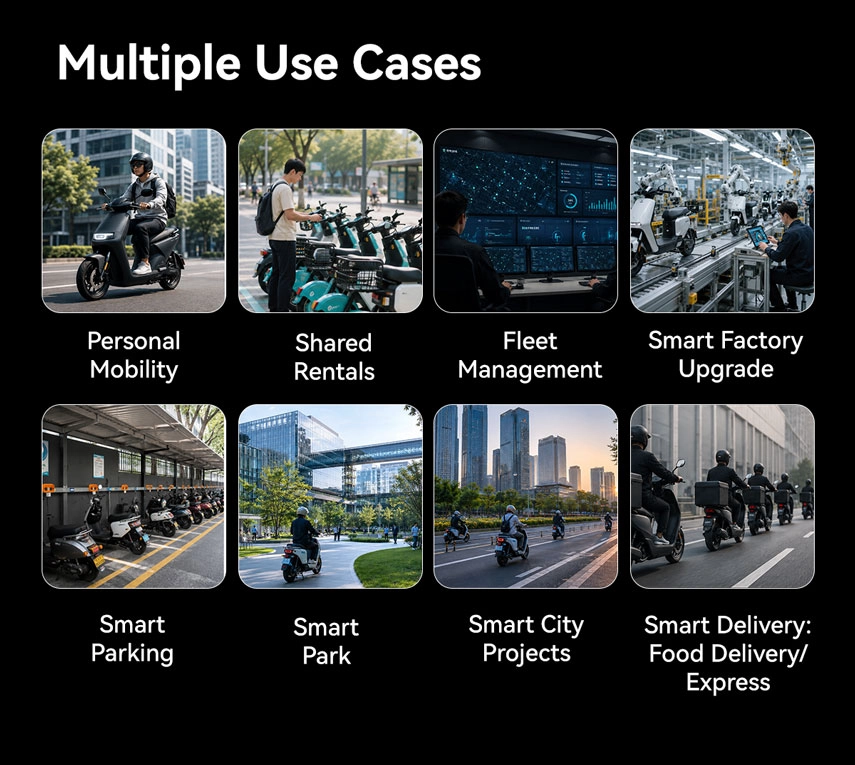
For mobility operators,one of the biggest concerns is knowing exactly where vehicles are and how they are being used as vehicles can be misplaced,underutilized,or remain unavailable for long periods without operators even realizing it.
How IoT GPS Tracking Improves Fleet Visibility
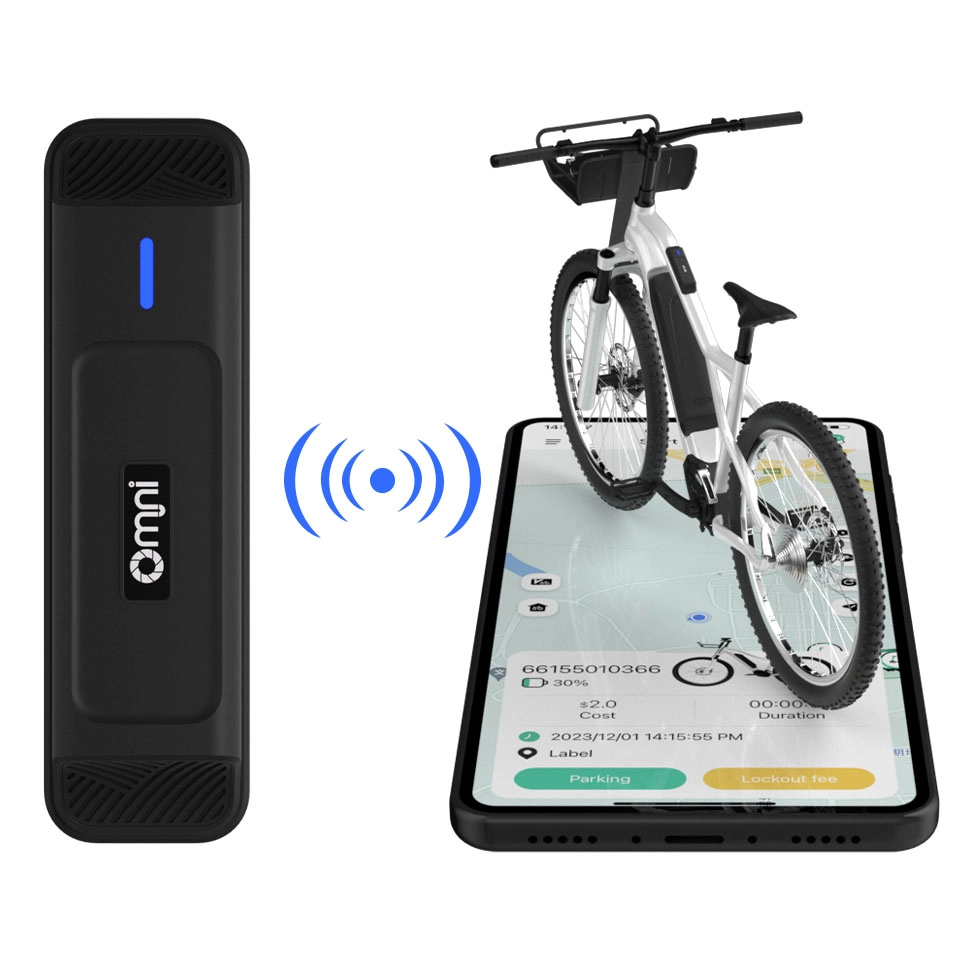
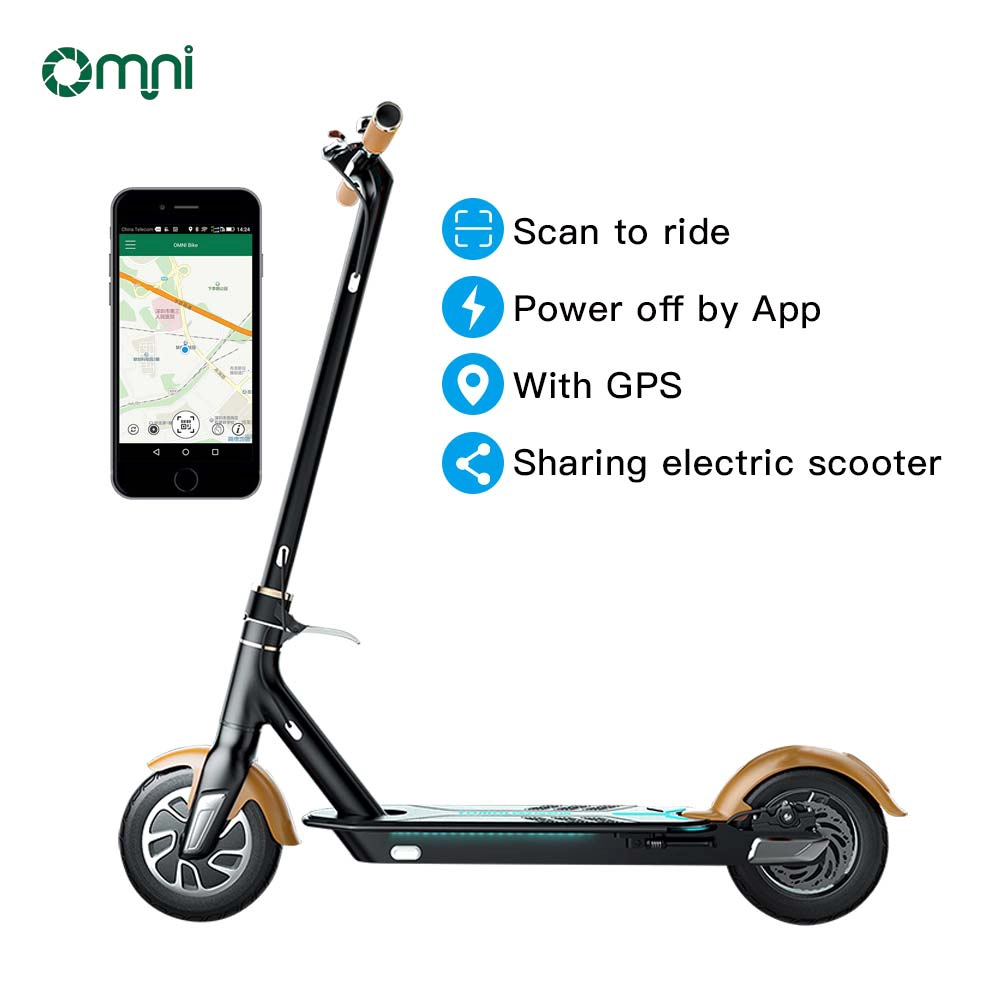
IoT-enabled GPS tracking devices solve this problem by sending real-time location updates,ride history,route analysis,and geofencing capabilities.Fleet managers can monitor vehicle status remotely and make data-driven decisions about fleet deployment and maintenance.
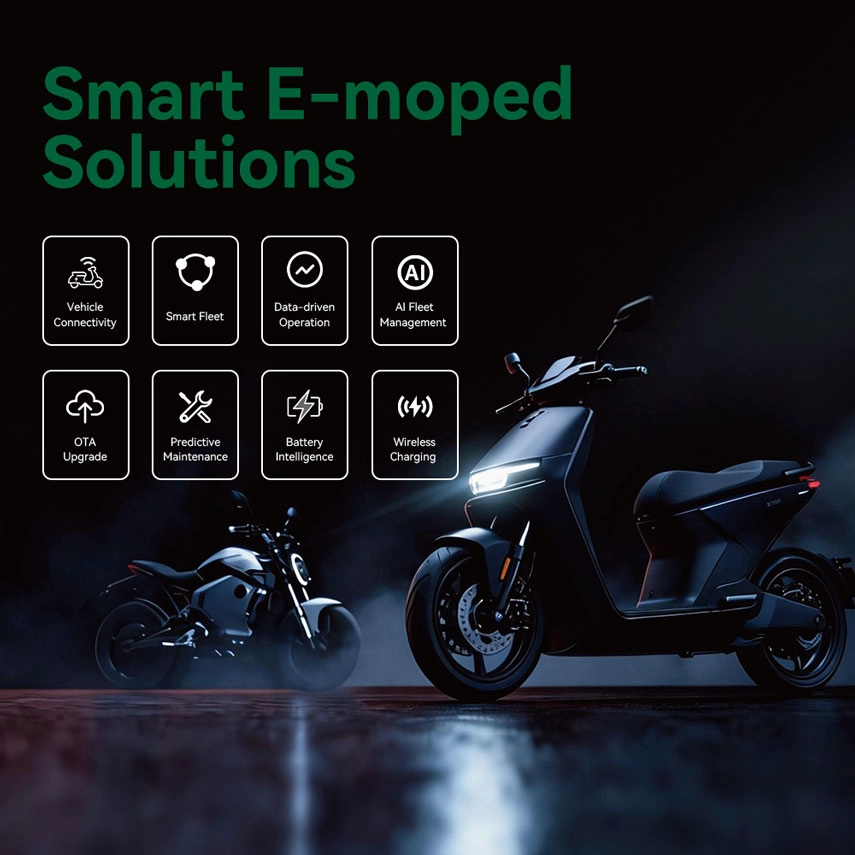
Today,smart IoT connectivity becomes much more essentail for mobility providers.
Challenge 2:Vehicle Theft and Unauthorized Usage
How Smart Locks and IoT Security Protect Mobility Assets
We always concern about vehicles theft.Traditional mechanical locks are often insufficient for connected mobility services.
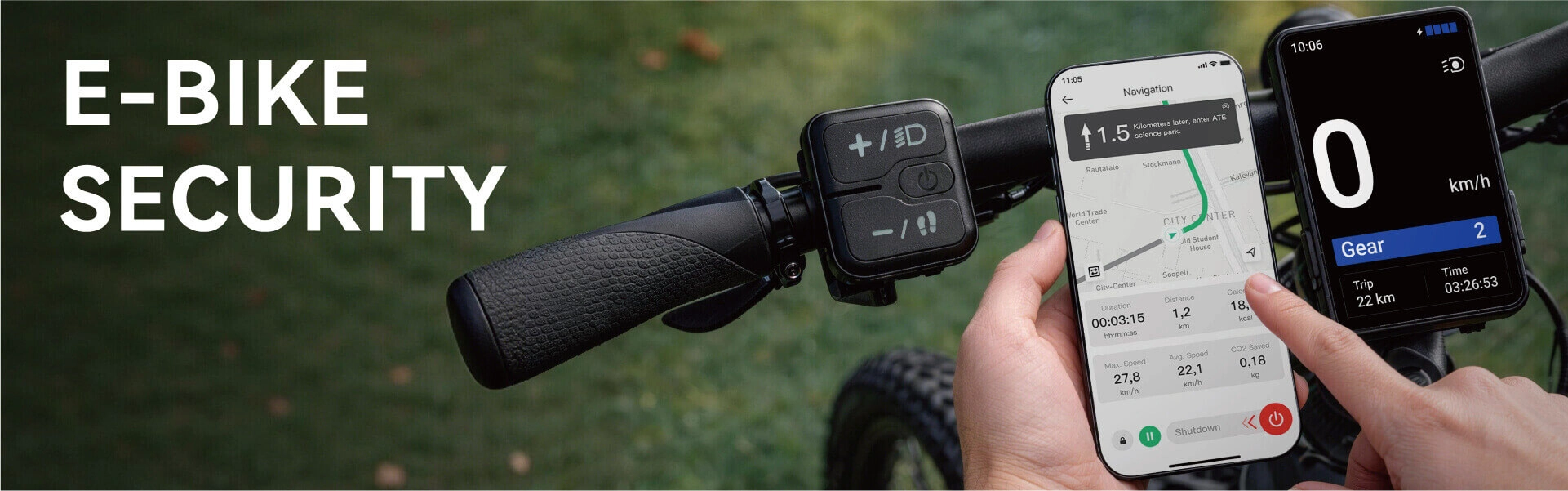
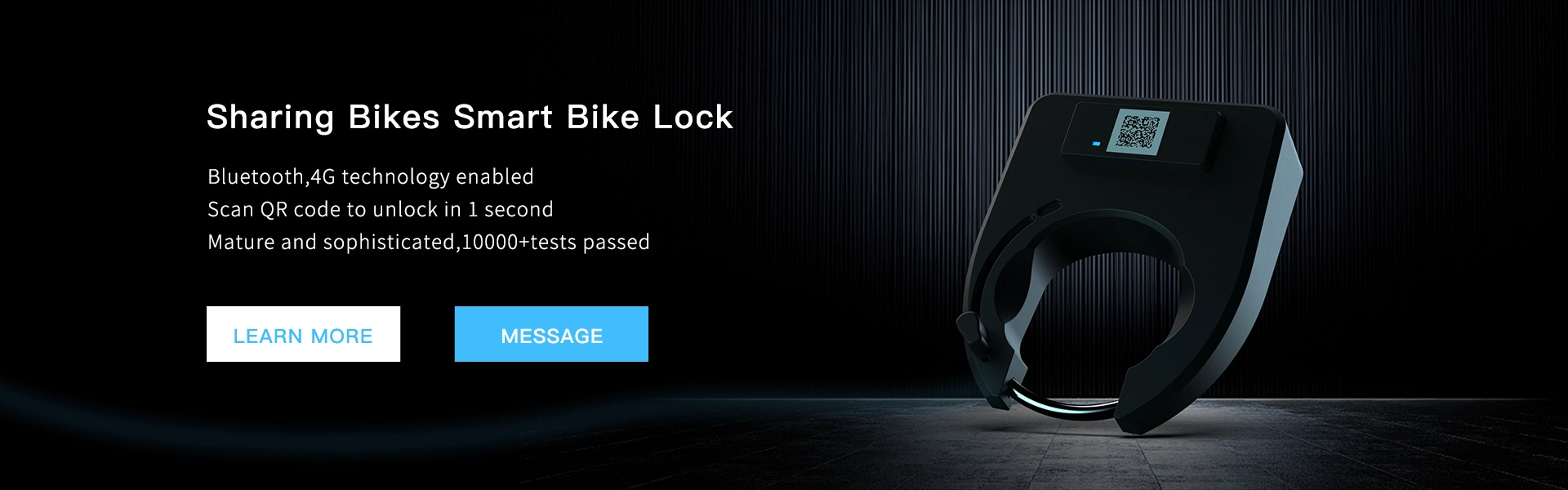
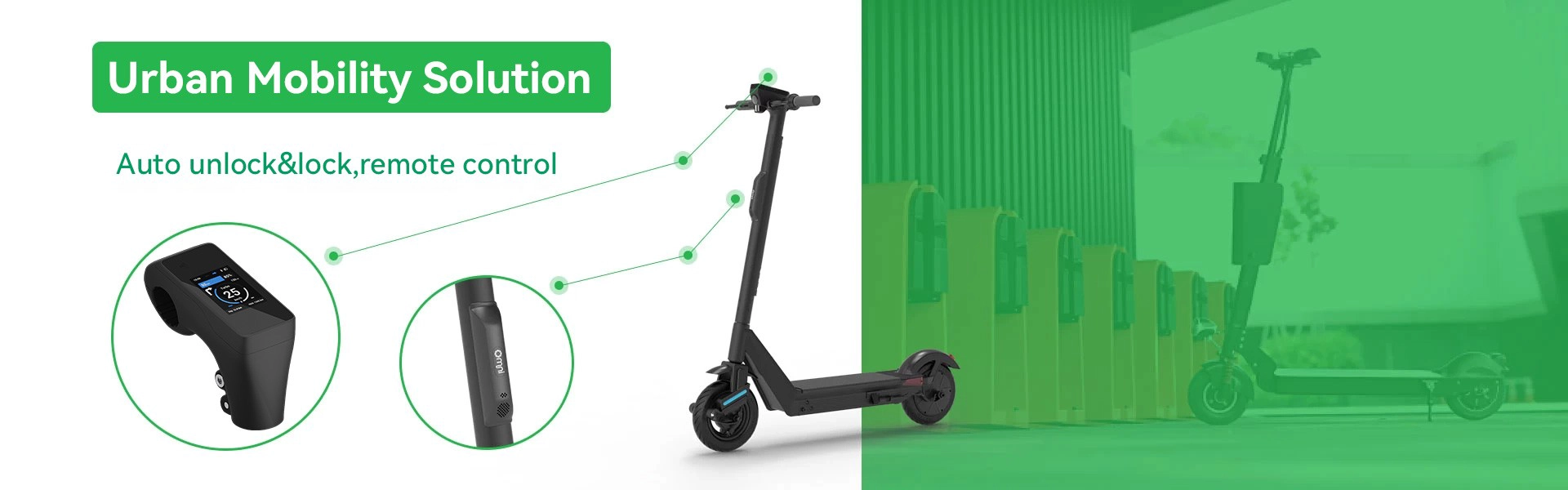
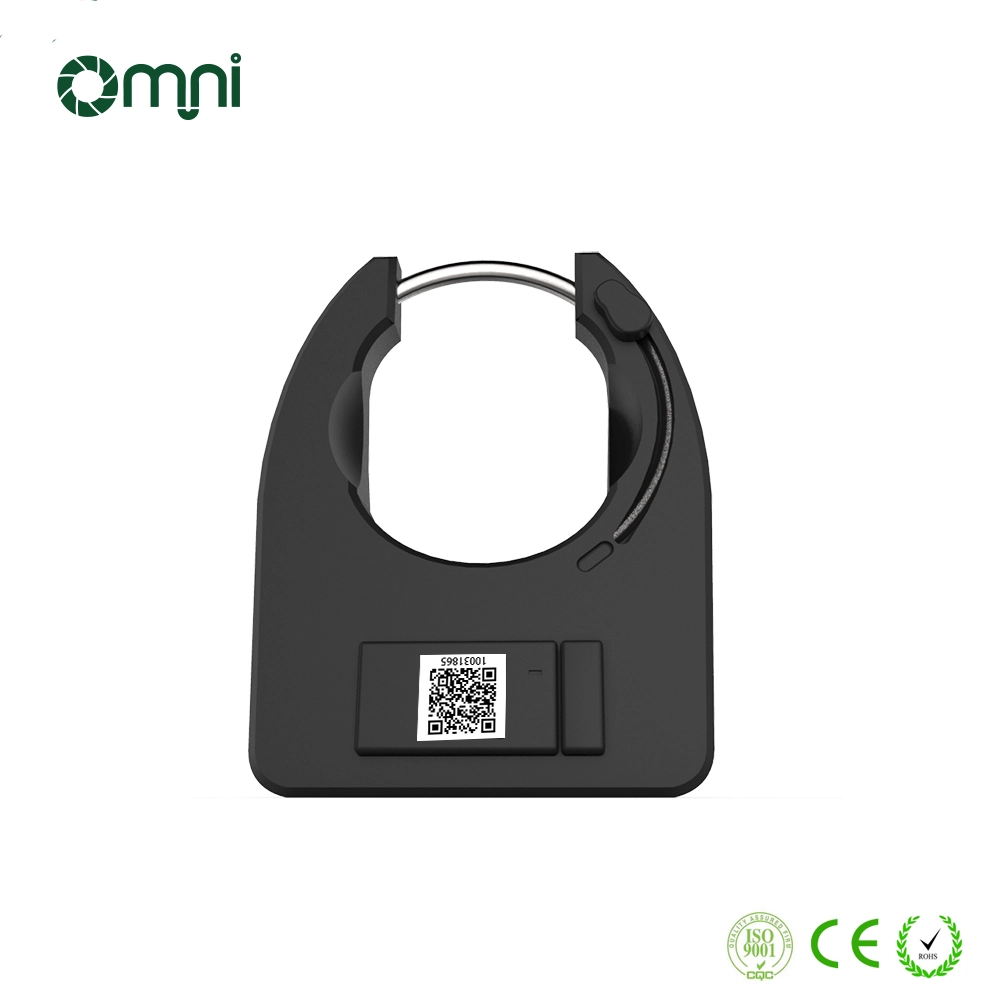
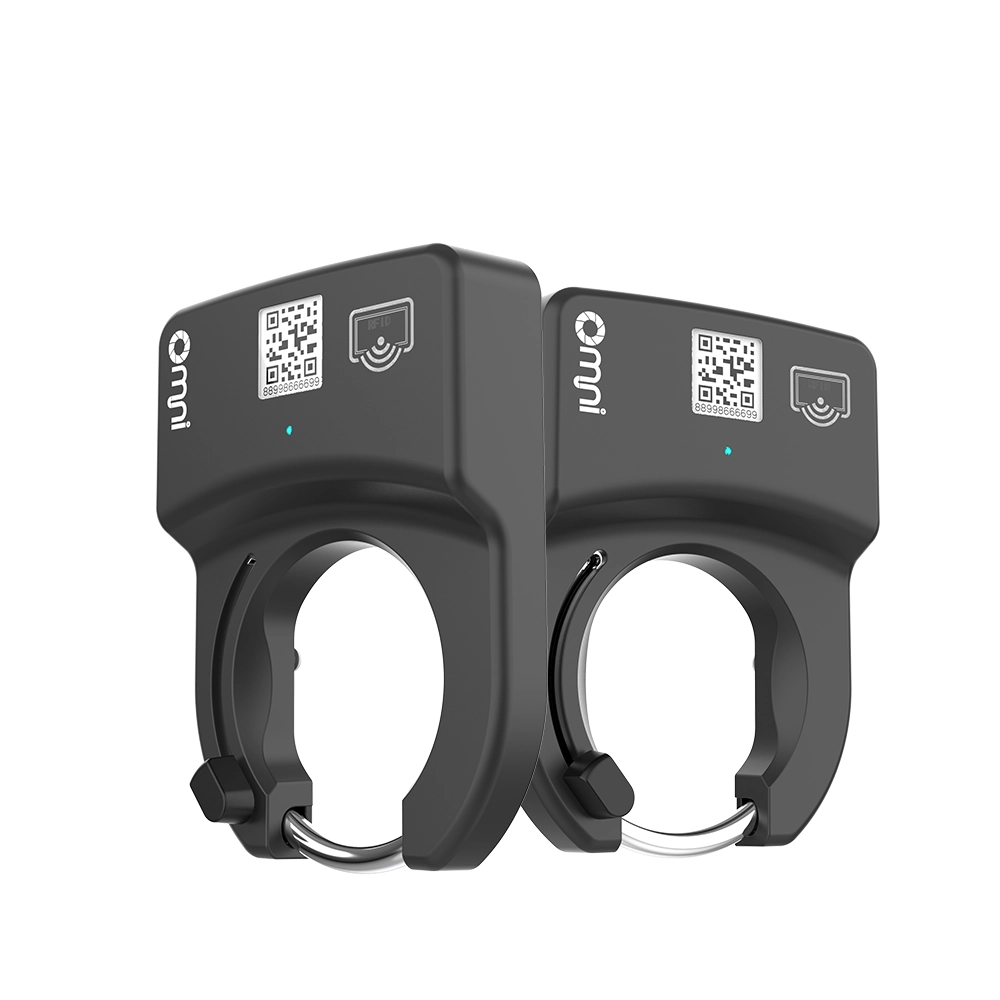
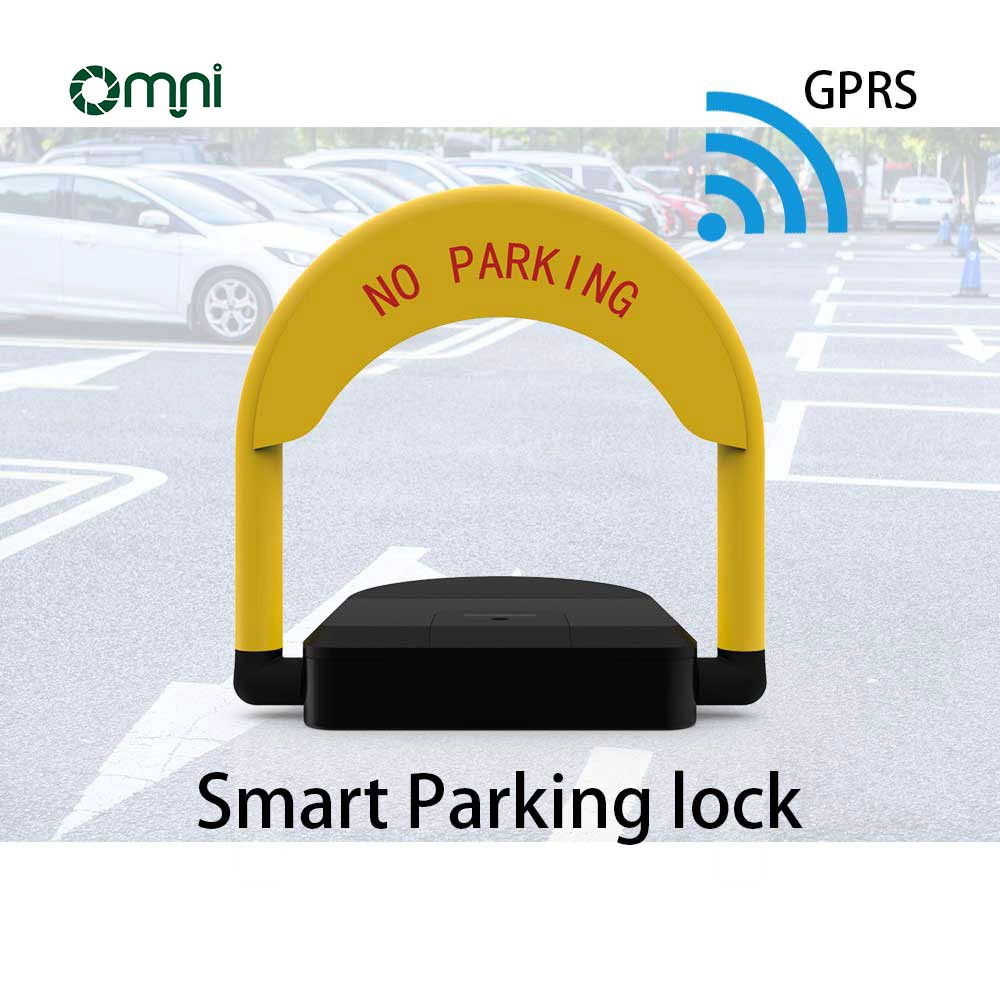
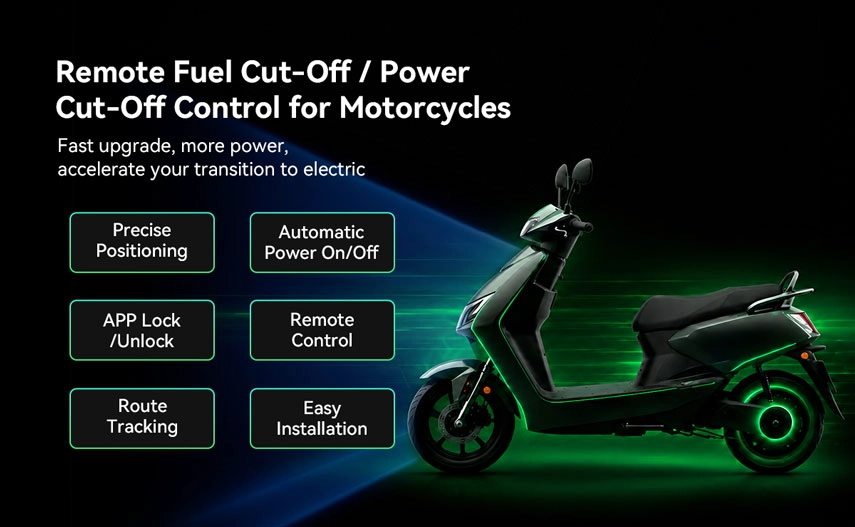
Smart locking technologies combined with IoT connectivity is the best choice right now.It allows operators to remotely lock or disable vehicles,receive tamper alerts,and track stolen assets in real time.Features such as Bluetooth unlocking,RFID authentication,and cloud-based access control have become increasingly common in modern mobility systems.
For manufacturers building connected vehicles,integrating security functions directly into the vehicle architecture is now considered a competitive advantage rather than an optional feature.
Challenge 3:Battery Management and Vehicle Uptime
As fleet sizes continue to grow,battery intelligence is becoming a key component of efficient fleet management.
How IoT Functions Enables Smarter Battery Monitoring
Unexpected battery failures,poor charging habits,and insufficient visibility into battery health can significantly increase operating costs.
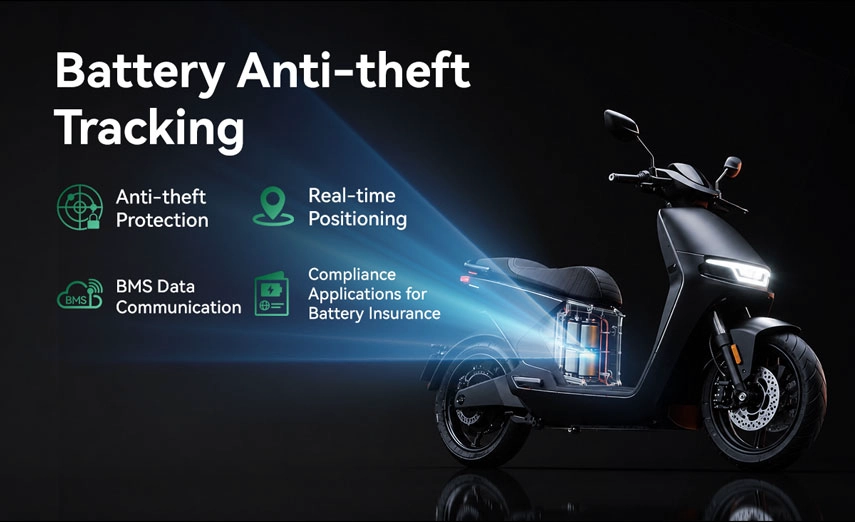
By IoT functions,the IoT-based battery security system can send real-time battery status,support BMS data communication,EU battery passport compliance.
By analyzing battery data in real time,operators can identify potential issues early and reduce costly downtime.
This shift from manual operations to data-driven management is one of the biggest reasons why connected mobility solutions continue to gain momentum worldwide.
As urban transportation becomes increasingly digital,IoT technology is helping manufacturers,fleet operators,and mobility startups overcome some of the industry's most persistent challenges.From theft prevention and battery monitoring to fleet visibility and user experience,connected technologies are making mobility systems more reliable,scalable,and efficient.
How IoT Solution Providers Support Mobility Innovation
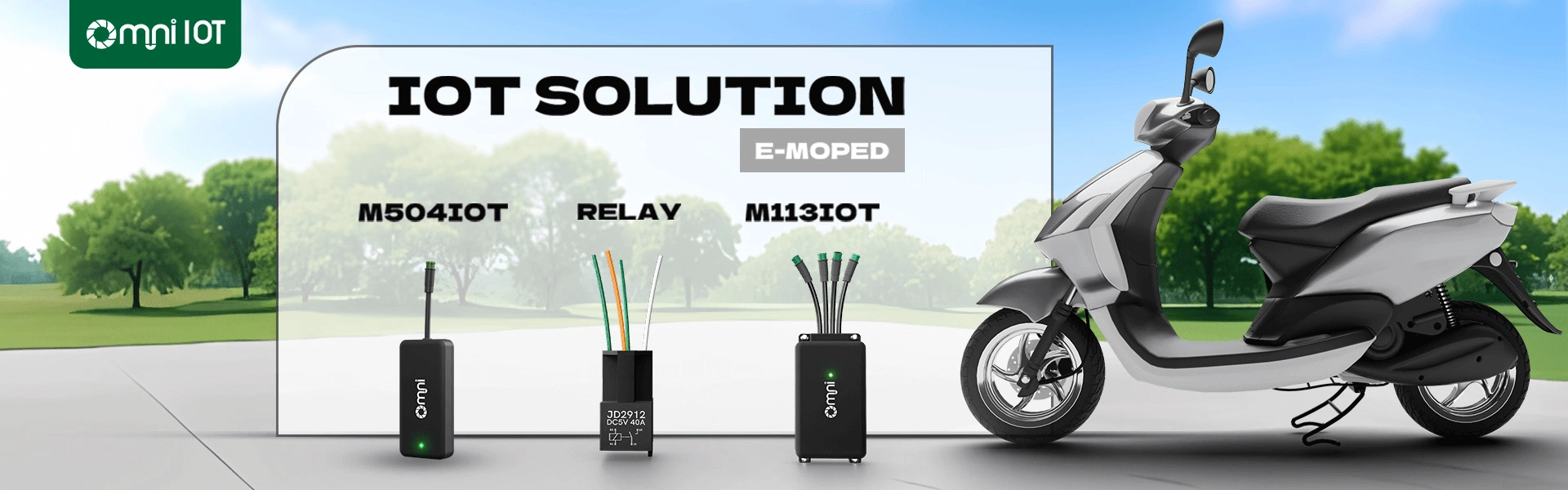
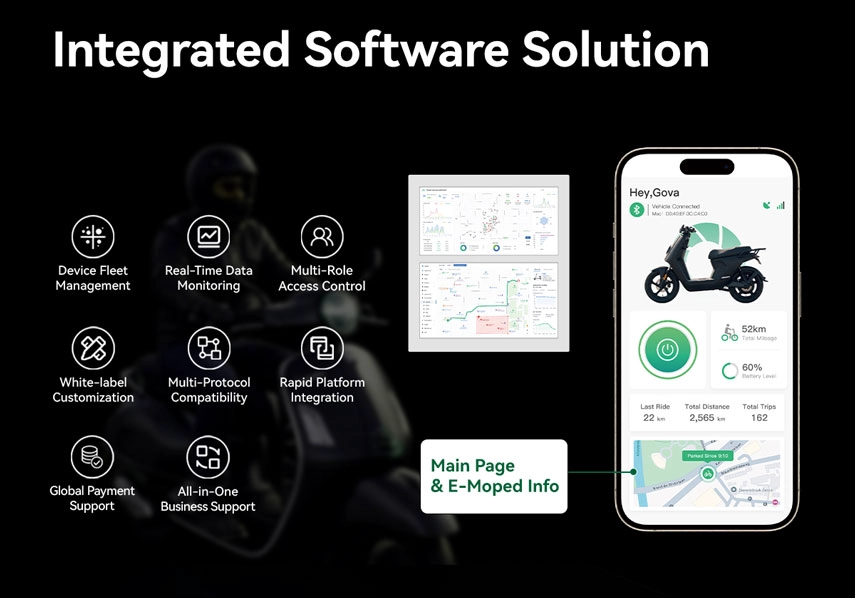
This growing demand has also led to the emergence of specialized IoT solution providers focused on mobility applications.Companies such as OMNI IoT have developed integrated ecosystems that combine GPS tracking,smart locks,connected displays,cloud platforms,mobile applications,and fleet management software to help mobility businesses accelerate deployment and reduce operational complexity.
For organizations planning to build or expand connected mobility services,investing in a scalable IoT infrastructure is increasingly becoming a strategic necessity rather than a technology upgrade.
Frequently Asked Questions(FAQ)
What are the benefits of IoT in smart mobility
IoT helps improve fleet visibility,vehicle security,battery monitoring,and operational efficiency through real-time connectivity and data analytics.
How is IoT used in e-bikes and e-mopeds
IoT enables GPS tracking,smart locking,battery monitoring,OTA updates,geofencing,and fleet management,creating a safer and more connected riding experience.
About the Author
Bella Getty
Urban Mobility&IoT Analyst
Bella specializes in smart mobility,connected vehicles,and IoT technologies.She focuses on how connected solutions help e-bike,e-moped,and fleet operators improve efficiency,security,and user experience.