
 +86-13926505109
 info@aiotomni.com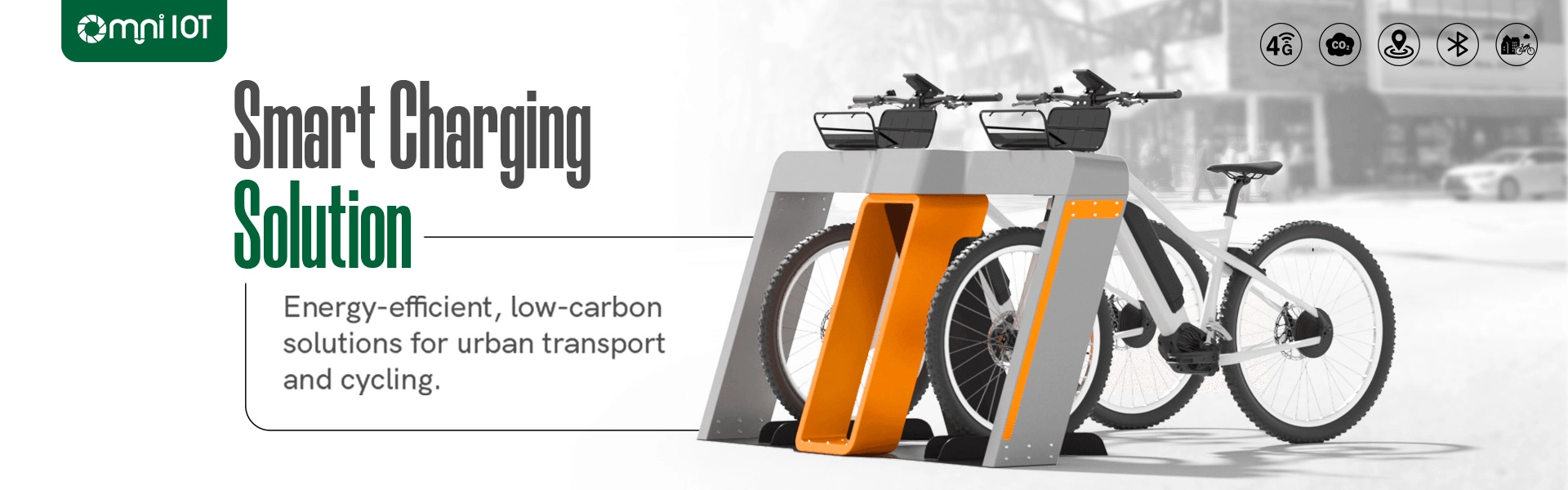





What It Really Takes to Launch an E-Scooter Sharing Project in a New Market?
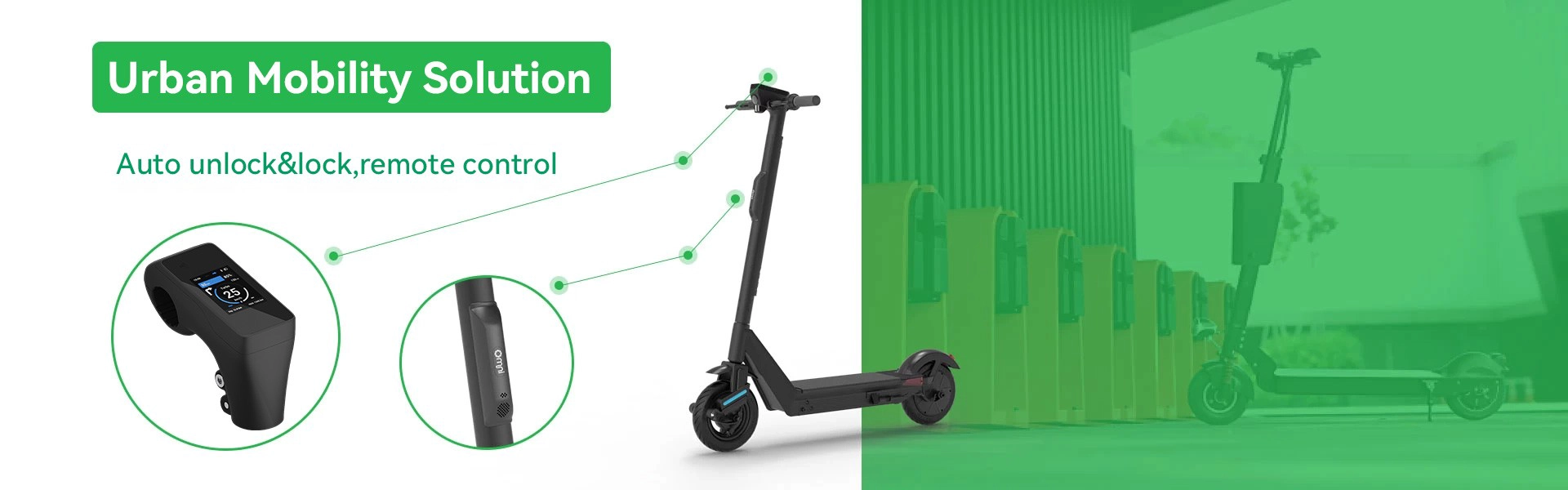
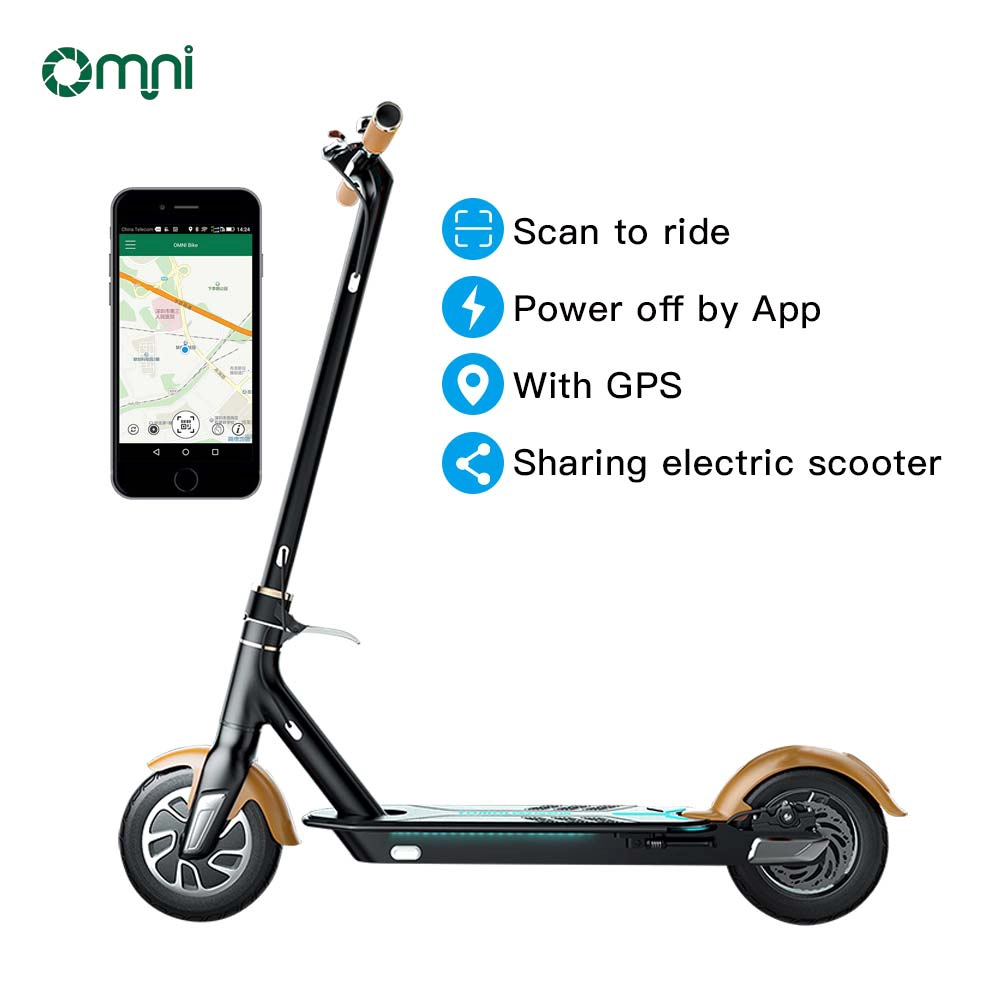
Launching an e-scooter sharing project is not simply about providing vehicles.The real challenge is building a complete system where e-scooter IoT devices,IoT connectivity,electric scooter rental app,backend and daily operations work together.
Before expanding from a pilot project to a larger network,operators need to answer key questions:
Can the scooters handle commercial use?
Can staff manage the fleet efficiently?
Can the e-scooter rental system support future expansion?
A successful pilot is not only a test of scooters.It is a test of the entire smart mobility solution.
Why Start With a Pilot E-Scooter Sharing Project?
For new markets,a controlled pilot helps operators understand real operating conditions before large-scale investment.
A small fleet with smart docking stations can validate:
1.Vehicle performance
2.Charging workflow
3.Rental process
4.IoT communication
5.Fleet management
Testing Before Scaling
The purpose of a pilot is not only to check customer demand.It also helps identify whether the daily operation is practical.
Can staff activate vehicles quickly?
Is maintenance simple?
Can the platform manage the fleet reliably?
These answers provide valuable experience before expansion.
Commercial E-Scooters Need Reliable E-scooter IoT Devices
Sharing scooters experience much higher usage than personal vehicles.They require stronger durability,easier maintenance,and stable performance.
Swappable Battery System
A removable lithium battery reduces downtime because staff can replace batteries instead of waiting for every scooter to recharge.
For fleet operators,vehicle availability is often more important than charging speed alone.A balanced charging strategy also helps extend battery lifespan.
Safety Control and Rider Display
For parks,campuses,resorts,and tourist areas,speed control is important for safe operation.
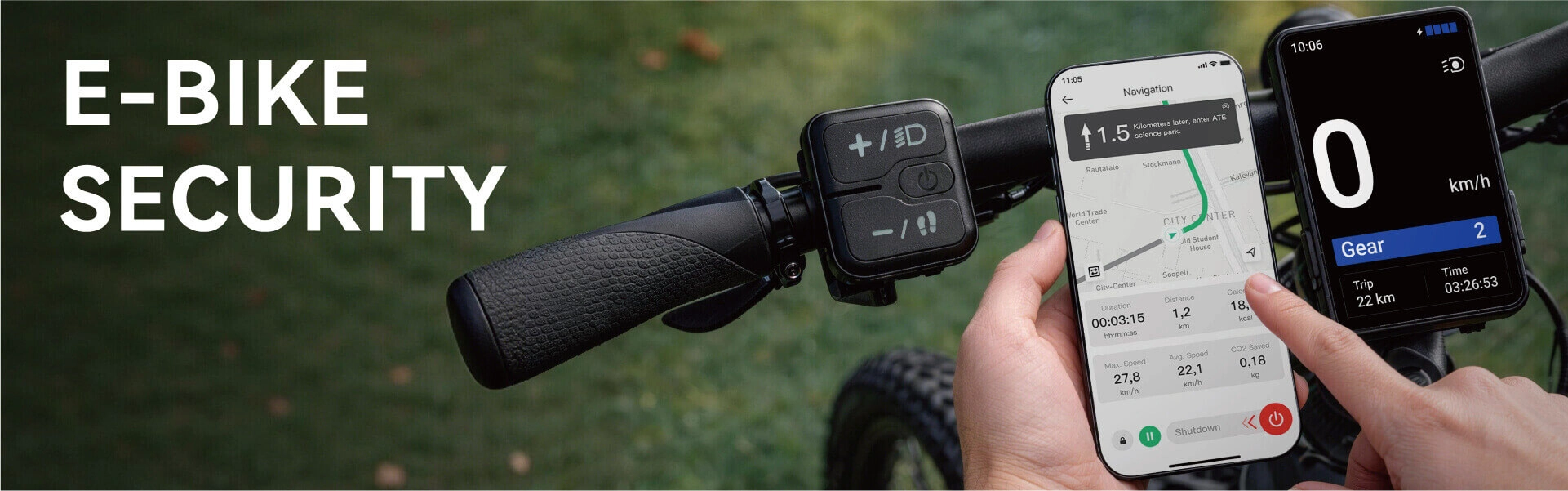
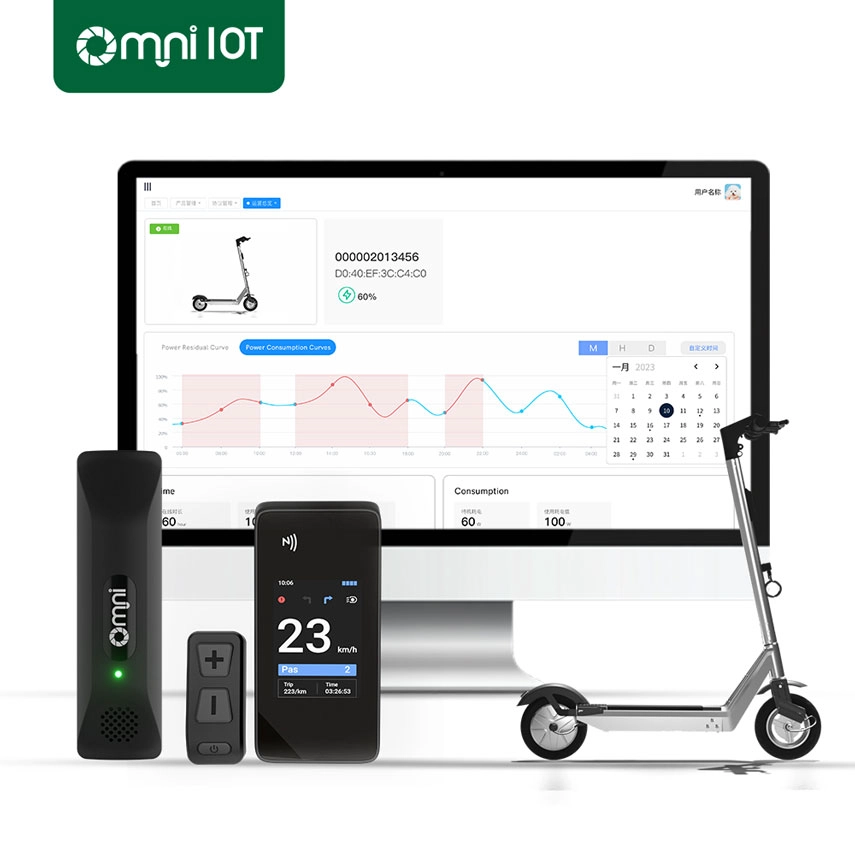
A moderate speed setting reduces risks,while an electric scooter LCD display showing speed and battery level provides a better riding experience.
How Smart Docking Stations Improve Fleet Management
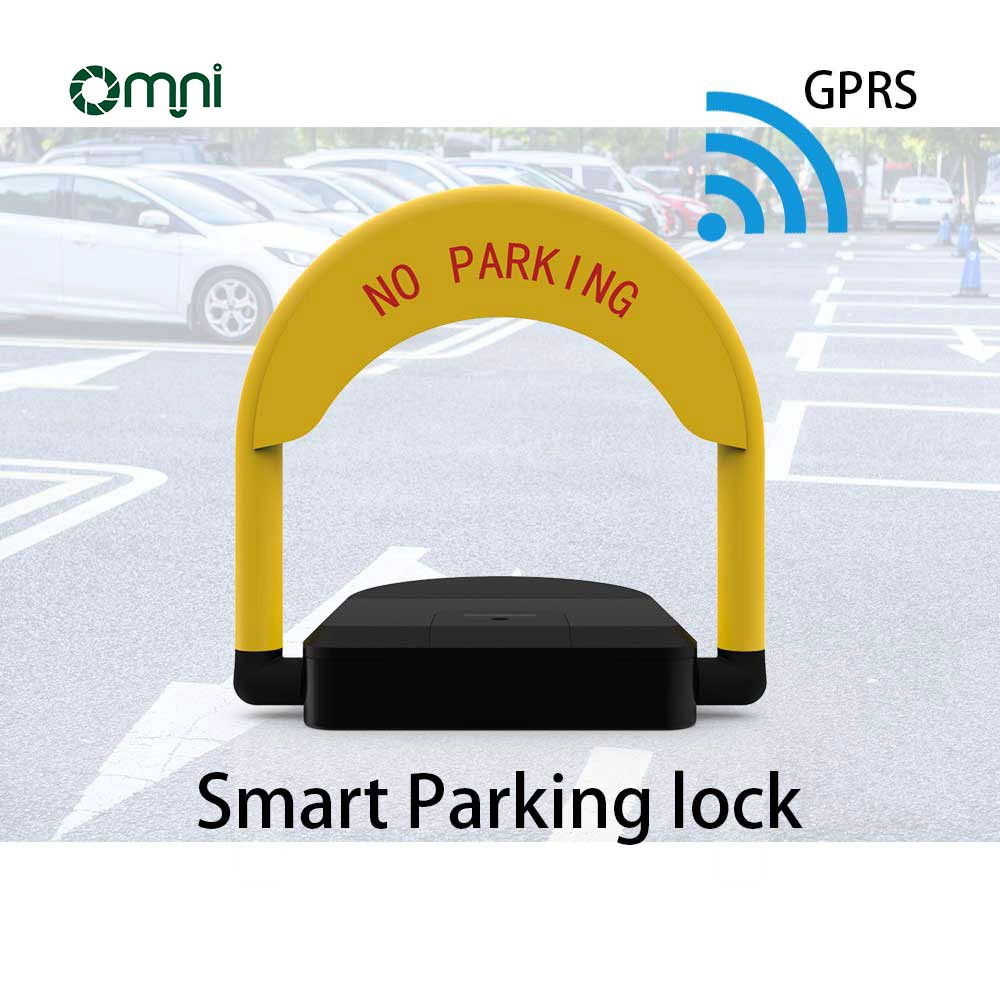
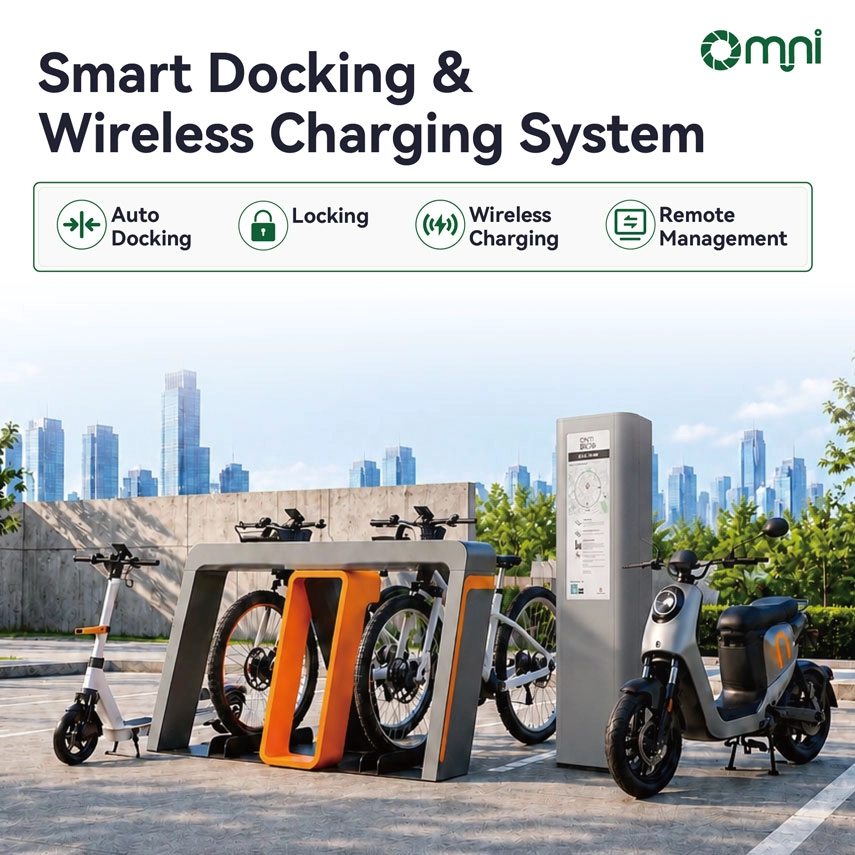
Smart docking stations are not only charging equipment.They also help organize parking,manage charging,and improve daily operations.
For pilot projects,a five-slot docking station provides a practical way to test the complete workflow,from scooter return to charging management.
Why IoT Technology Is the Core of Scooter Sharing
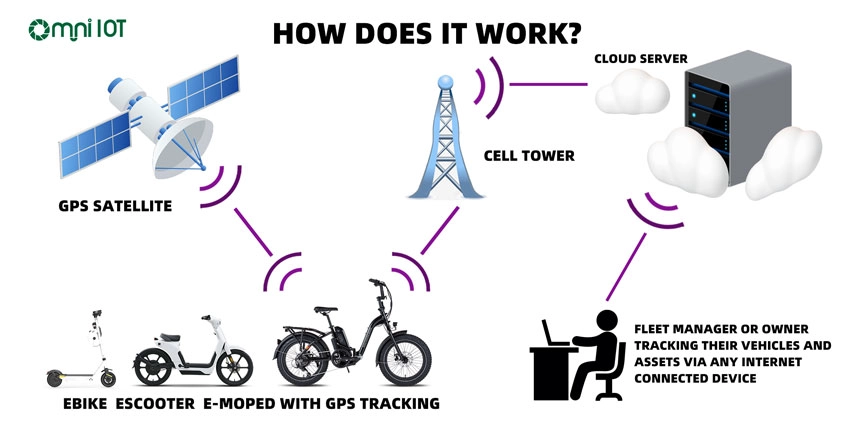
The scooter is only the physical part of a sharing system.The IoT platform connects vehicles,operators,and users.
Real-Time Management and OTA Updates
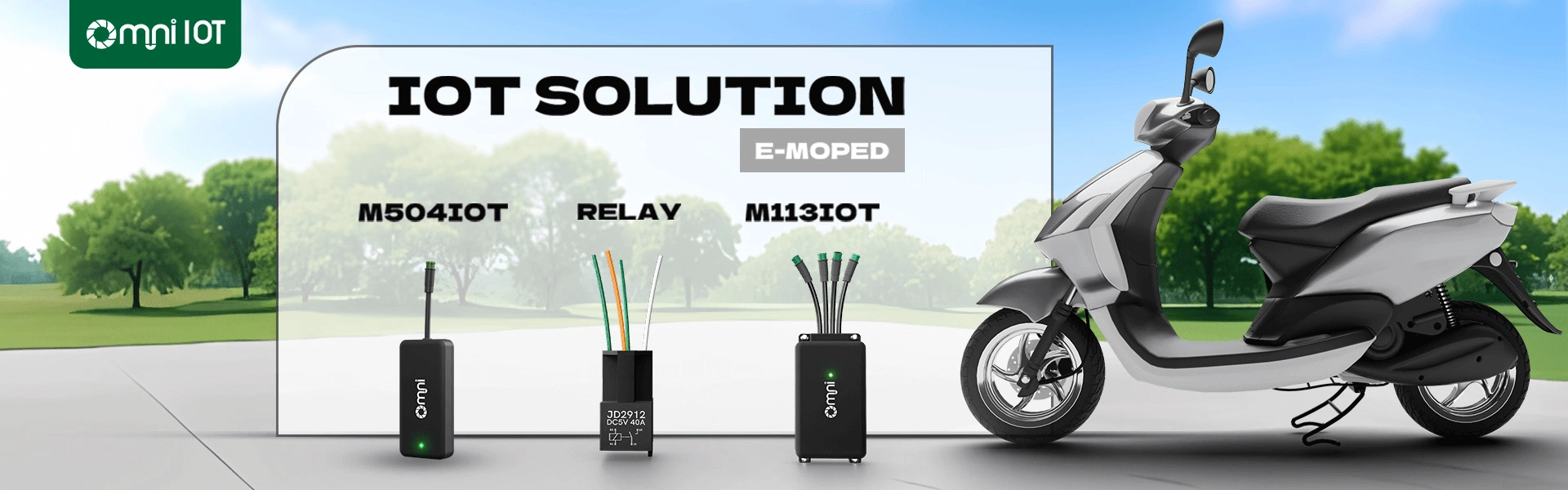
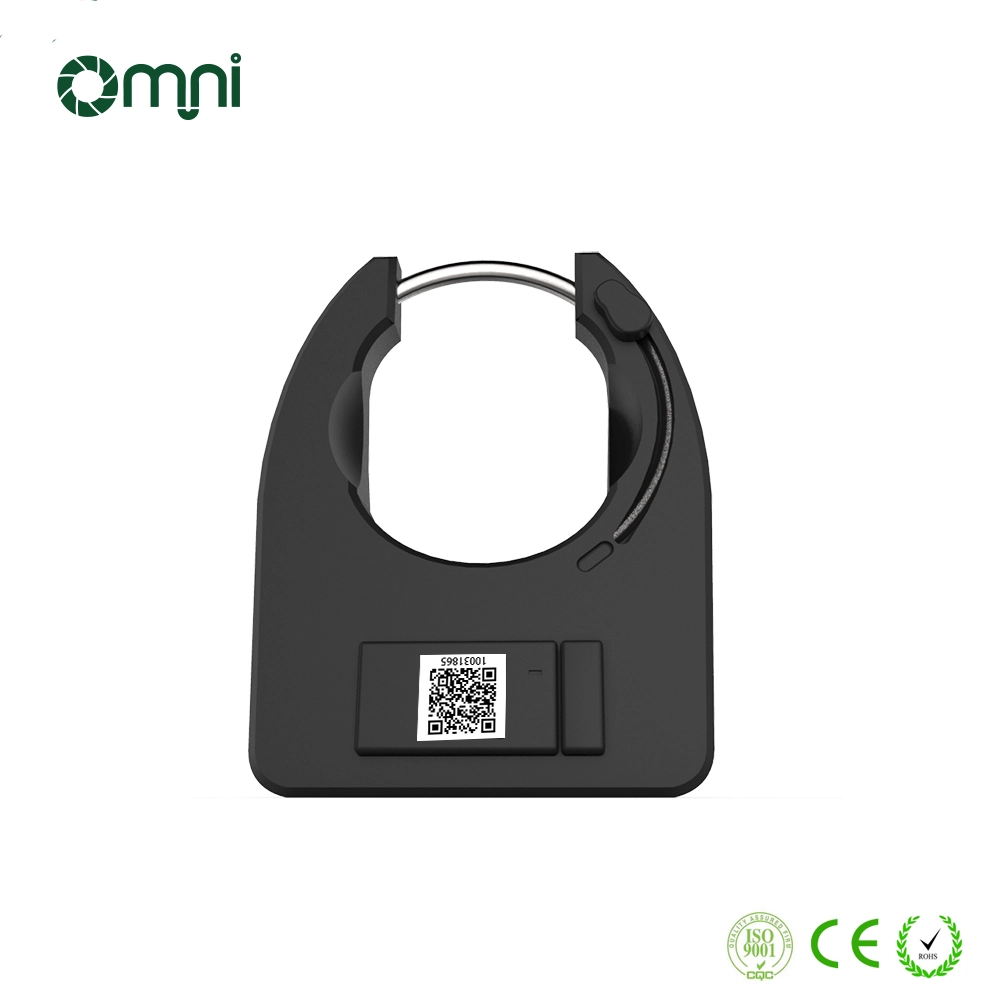
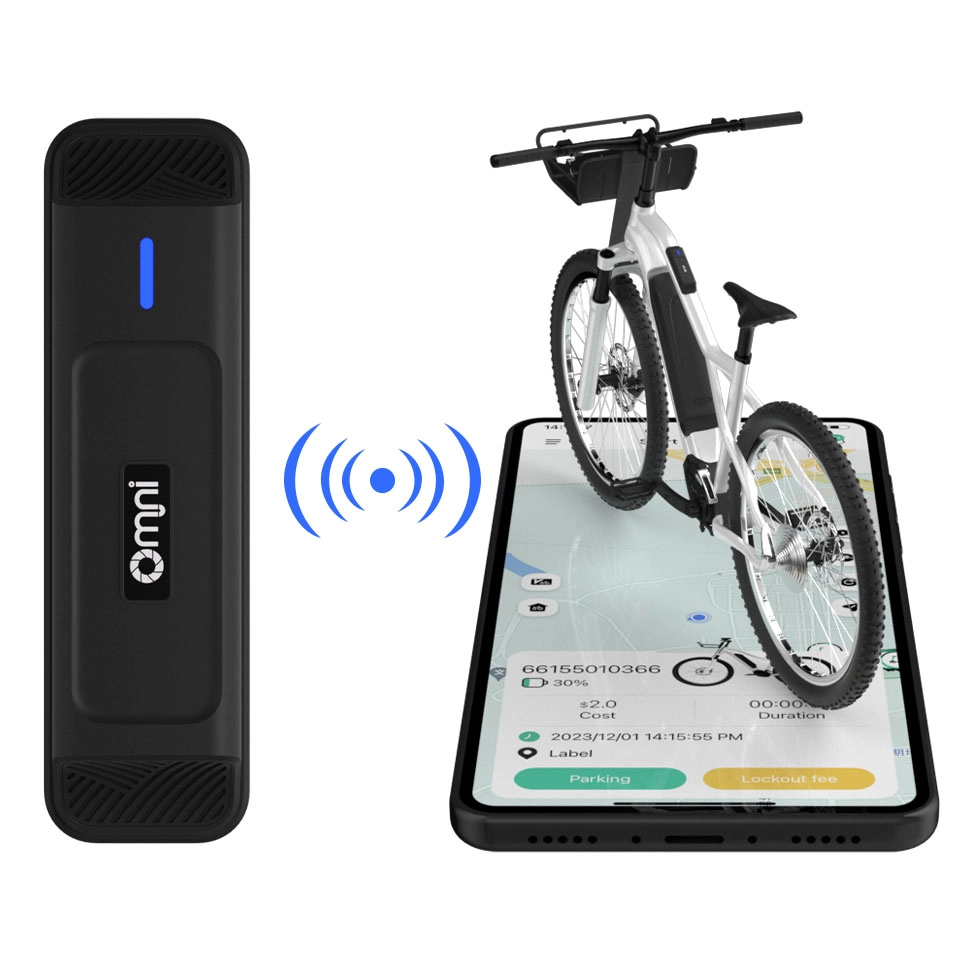
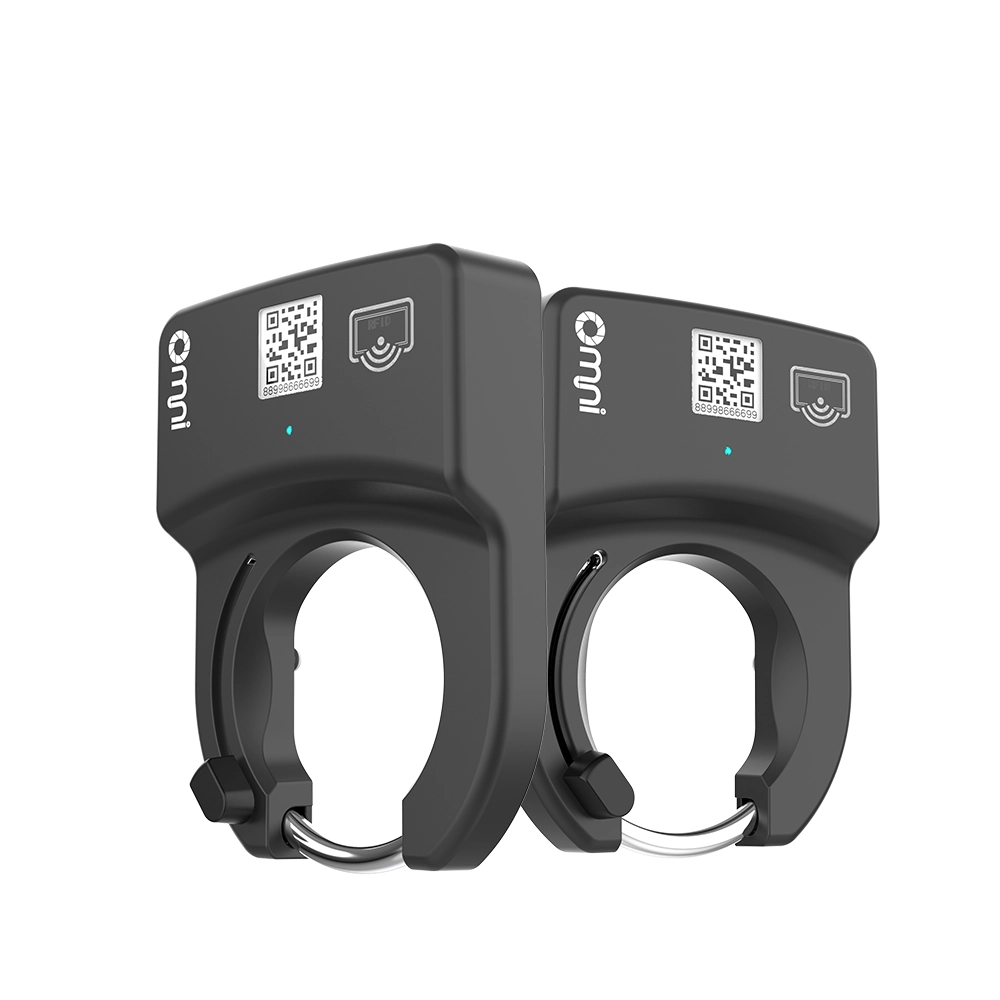
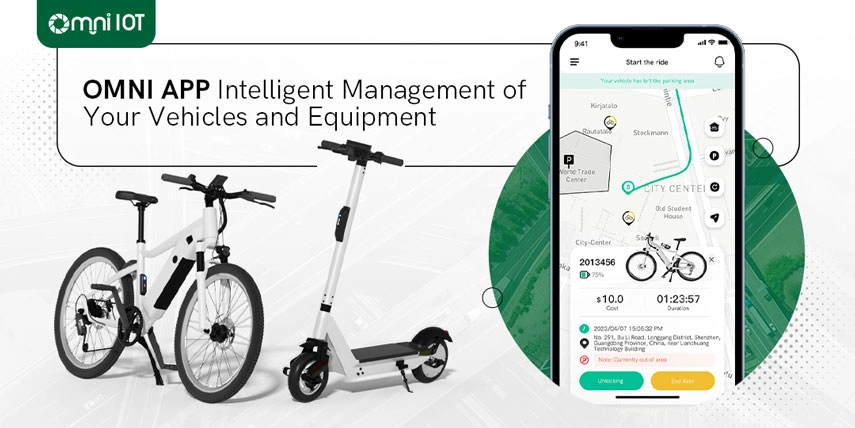
A commercial e-scooter IoT device should support communication,location tracking,remote control,and cloud management.
OTA(Over-The-Air)firmware updates allow operators to improve software features and prepare the system for future expansion without replacing hardware.
Creating a Simple Rental Workflow With NFC/RFID
During the early stage,a simple rental process can often be more practical than a complex mobile app.
For controlled environments such as parks or campuses,staff can manage rentals through an admin dashboard.
Admin Dashboard Instead of Mobile App
The workflow can be:
Staff selects rental duration.
Customer taps an NFC/RFID card.
Scooter unlocks automatically.
This reduces user barriers and makes daily operation easier.
Automatic Ride Control for Smarter Operations
As fleet size increases,manual management becomes difficult.
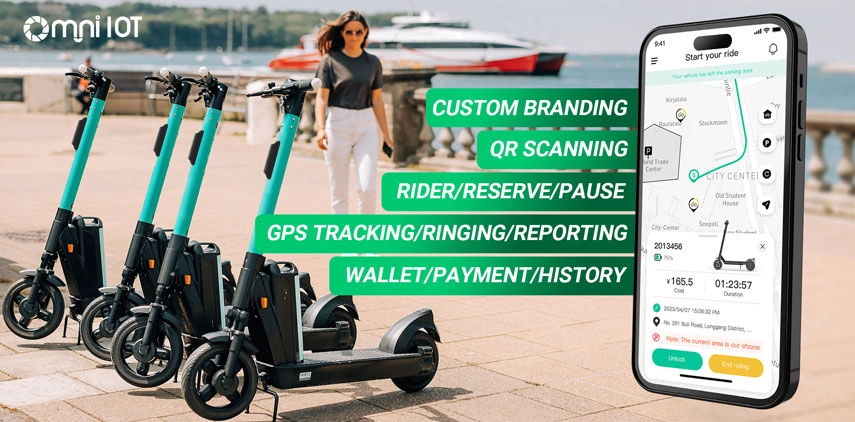
With an IoT-based platform,rental sessions can be controlled automatically.When the prepaid time expires,the system can send a command to disable the motor and lock the scooter.
This improves fleet control and reduces manual work.
Building a Scalable E-Scooter Sharing System
A pilot project should be simple,but the technology foundation should support future growth.
A scalable e-scooter sharing IoT solution should allow integration with:
Mobile applications
GPS fleet tracking
API platforms
Remote diagnostics
Choosing flexible hardware from the beginning helps avoid costly replacement later.
Choosing the Right Technology Partner
For international mobility projects,hardware is only one part of the solution.
Operators also need technical support,including installation guidance,maintenance documents,remote training,and long-term service.
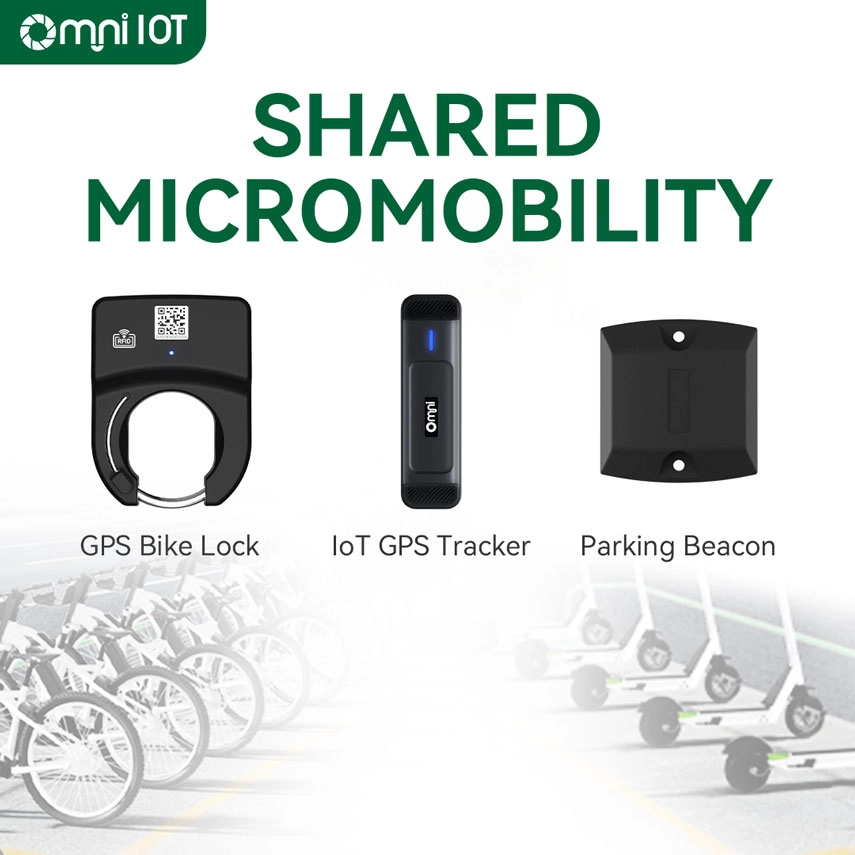
OMNI IOT provides IoT solutions for smart mobility applications,including e-bike IoT devices,GPS trackers,smart locks,displays,and fleet management systems.
By combining IoT devices,connectivity,and software capabilities,OMNI IOT helps mobility operators build reliable systems that can scale from pilot projects to larger deployments.